
Melasma is a common skin condition characterized by dark patches that appear most often on the face. These patches typically develop on the cheeks, forehead, nose, and upper lip, creating an uneven skin tone that can be difficult to manage. While melasma is not harmful, it can be persistent and emotionally frustrating for those affected. A well formulated melasma cream for face can play a key role in fading dark patches and supporting a more balanced complexion over time.
This article explains what melasma is, why it develops, and how a melasma cream for face works to reduce visible pigmentation. It also explores important ingredients, proper usage, and realistic expectations to help individuals make informed decisions about melasma care.
Understanding Melasma and Facial Pigmentation
To understand how topical treatments work, it is important to first explore what melasma is and how it affects the skin.
What Is Melasma
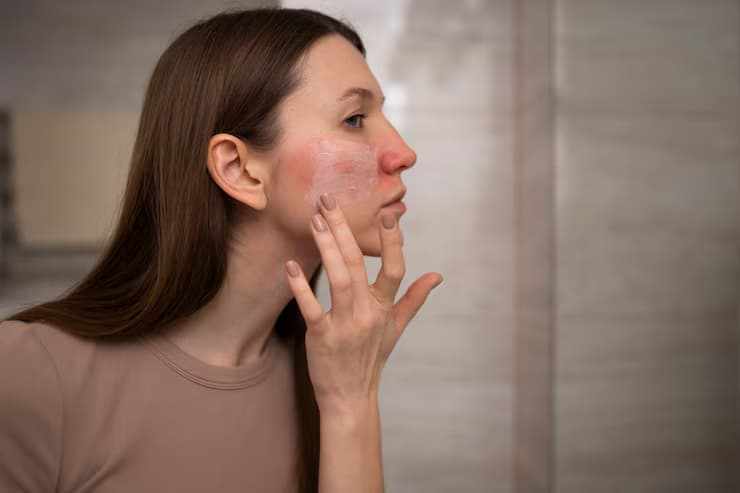
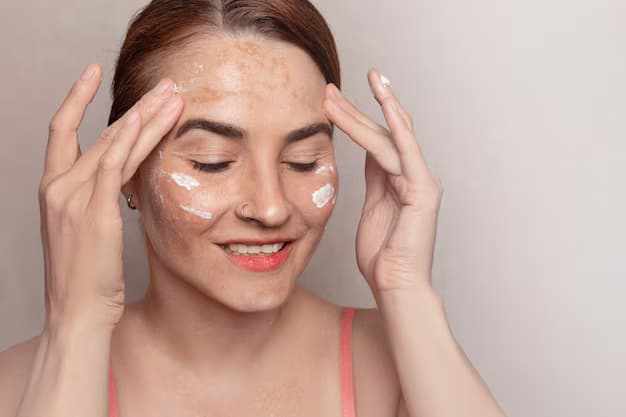
Melasma is a form of hyperpigmentation caused by overactive melanocytes. These cells produce excess melanin, leading to dark patches that are usually symmetrical on the face. Unlike freckles or sunspots, melasma often appears in larger areas with blurred borders.
Common Triggers of Melasma
Melasma is influenced by several factors. Sun exposure is one of the most significant triggers, as ultraviolet light stimulates melanin production. Hormonal changes, genetics, heat exposure, and certain medications can also contribute to its development.
Why Melasma Is Difficult to Treat
Melasma tends to sit deeper in the skin than other types of pigmentation. This makes it more resistant to treatment and prone to recurrence, especially if triggers are not well managed.
What Is a Melasma Cream for Face
A melasma cream for face is a topical formulation designed to reduce the appearance of dark patches by targeting excess melanin and supporting skin renewal.
Purpose of Melasma Creams
These creams work by slowing melanin production, encouraging gentle exfoliation, and improving overall skin tone. They are intended for consistent use over time rather than quick fixes.
Why Topical Treatment Is Important
Topical creams act directly on the affected areas, making them a practical and accessible option for ongoing melasma management.
How Melasma Cream for Face Helps Fade Dark Patches
The effectiveness of a melasma cream for face lies in its ability to address multiple aspects of pigmentation.
Regulating Melanin Production
Certain ingredients help reduce the activity of melanocytes. By limiting excess melanin formation, these creams gradually lighten dark patches.
Supporting Skin Cell Turnover
Melasma creams often promote gentle exfoliation. This helps remove pigmented surface cells and allows fresher, more even toned skin to emerge.
Reducing Inflammation
Inflammation can worsen pigmentation. Calming ingredients help reduce irritation that may trigger further melanin production.
Key Ingredients Commonly Found in Melasma Creams
The ingredients used in a melasma cream for face determine how effective and well tolerated it will be.
Niacinamide for Brightening and Balance
Niacinamide helps regulate melanin transfer and improves skin barrier function. It also reduces redness and enhances overall skin tone.
Supporting Long Term Use
Because niacinamide is gentle, it is suitable for extended use and sensitive skin types.
Vitamin C for Pigmentation Reduction
Vitamin C is known for its ability to brighten the skin and reduce the appearance of dark spots.
Antioxidant Protection
It also protects the skin from environmental damage that can worsen melasma.
Azelaic Acid for Gentle Pigment Control
Azelaic acid helps reduce melanin production while calming inflammation.
Suitable for Sensitive Skin
It is often well tolerated and beneficial for individuals with both melasma and redness.
Botanical Extracts for Skin Comfort
Plant based ingredients such as licorice root and chamomile help soothe the skin and support even tone.
Enhancing Tolerance
These extracts reduce irritation, making it easier to maintain a consistent routine.
Ingredients to Use With Caution
Not all brightening ingredients are suitable for everyone.
Strong Exfoliants
Overuse of exfoliating acids can irritate the skin and worsen pigmentation.
Fragrances and Irritants
These can trigger inflammation, leading to darker patches over time.
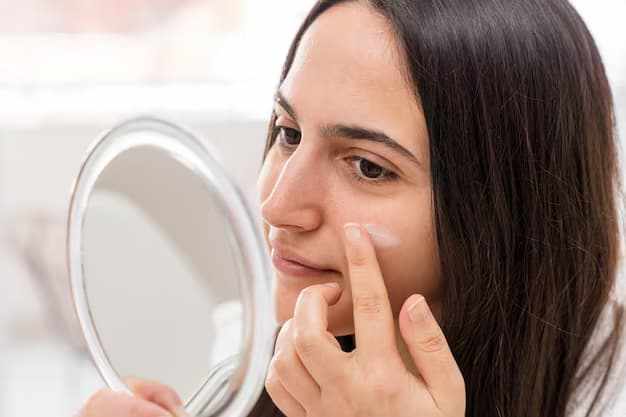
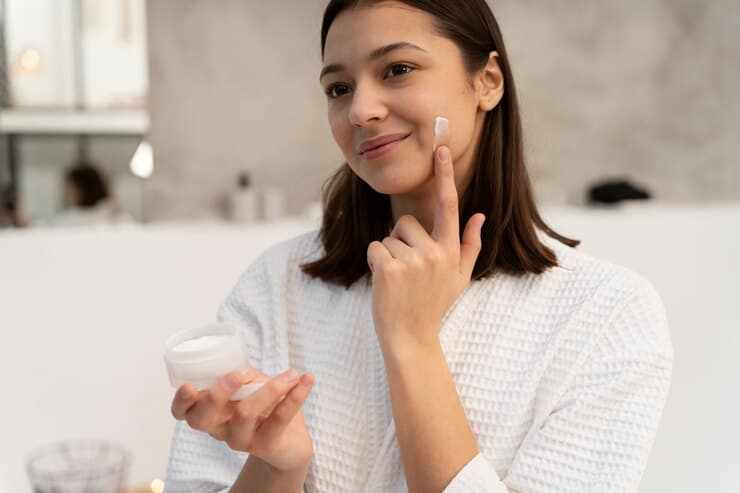
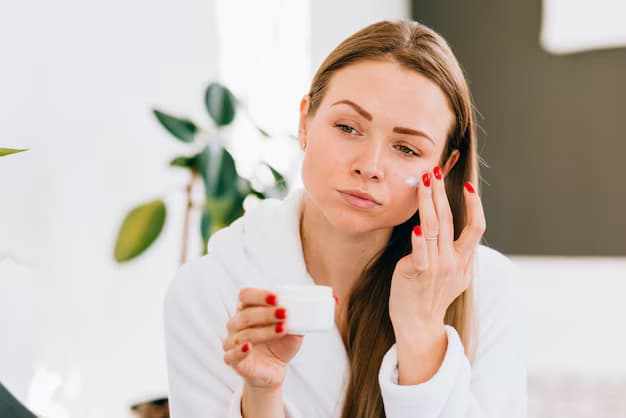
How to Use a Melasma Cream for Face Effectively
Proper application is essential for achieving visible improvement.
Apply to Clean Skin
Using a gentle cleanser removes impurities and prepares the skin for treatment.
Use Consistently
Melasma requires patience. Daily use over several weeks is often needed to see improvement.
Apply Only a Thin Layer
Using more product does not speed results and may increase irritation.
The Role of Sun Protection in Melasma Treatment
No melasma cream for face can be effective without sun protection.
Why Sun Exposure Worsens Melasma
Ultraviolet rays stimulate melanocytes and deepen pigmentation.
Supporting Treatment Results
Daily sun protection helps prevent new dark patches and allows existing ones to fade.
Managing Expectations With Melasma Creams
Understanding realistic outcomes helps avoid frustration.
Gradual Improvement
Most melasma creams show results over time rather than immediately.
Maintenance Is Ongoing
Melasma can return if treatment and protective habits are stopped.
Lifestyle Habits That Support Melasma Care
Daily choices play an important role in managing pigmentation.
Limiting Heat Exposure
Heat can stimulate melanin production even without sun exposure.
Managing Hormonal Triggers
Discussing hormonal factors with a healthcare professional may help reduce flare ups.
Choosing Gentle Skincare
Avoiding harsh products supports skin stability and pigment control.
When to Seek Additional Support
Some cases of melasma require professional guidance.
Persistent Dark Patches
If there is little improvement after consistent use, further evaluation may be helpful.
Increasing Sensitivity
Irritation should be addressed promptly to prevent worsening pigmentation.
Building a Long Term Melasma Care Routine
Successful melasma management relies on consistency and balance.
Combining Treatment and Protection
A melasma cream for face works best when paired with sun protection and gentle skincare.
Monitoring Skin Response
Adjusting the routine based on skin tolerance helps maintain progress.
Emotional Impact of Melasma and Skin Confidence
Melasma affects more than just appearance.
Restoring Confidence Through Care
Improved skin tone can positively influence self confidence and comfort.
Patience and Self Care
A calm and consistent approach supports both skin health and emotional well being.
Conclusion
A melasma cream for face helps fade dark patches by regulating melanin production, supporting skin renewal, and calming inflammation. While melasma can be challenging to manage, consistent use of well chosen topical treatments combined with sun protection and gentle skincare habits can lead to noticeable improvement over time. Understanding the condition and setting realistic expectations allows individuals to take control of their skin journey with confidence and care.
For those seeking informed guidance and thoughtful approaches to pigmentation concerns, MiQuest represents a commitment to education driven skincare and long term skin health support.




Write a comment ...