
Melasma is a common skin condition characterized by dark, discolored patches, usually on the face. It primarily affects women, especially during pregnancy or with the use of birth control pills, but it can also impact men. Although melasma is not a harmful condition, it can be bothersome, affecting a person’s appearance and confidence. Many people with melasma turn to topical treatments, particularly creams designed to lighten these dark spots. But the big question remains: do these creams for melasma really work?
In this article, we will explore what melasma is, the types of creams available to treat it, how effective they are, and what other treatments may complement these products. Whether you are considering a cream for melasma or already using one, this guide will provide the information you need to make an informed decision.
Understanding Melasma
What is Melasma?
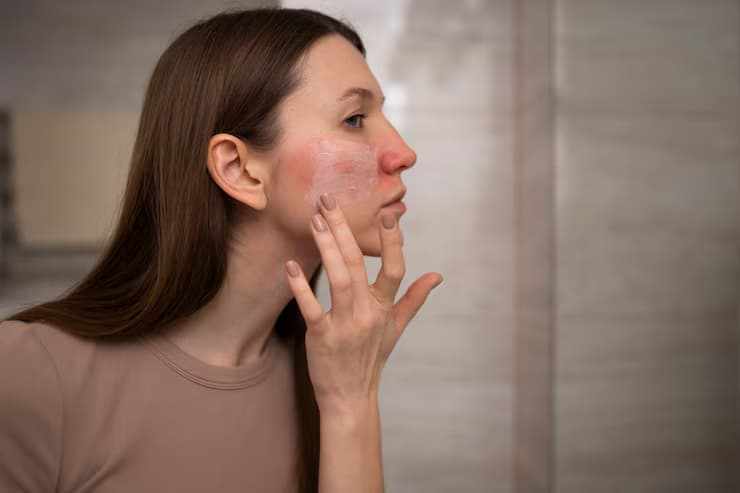
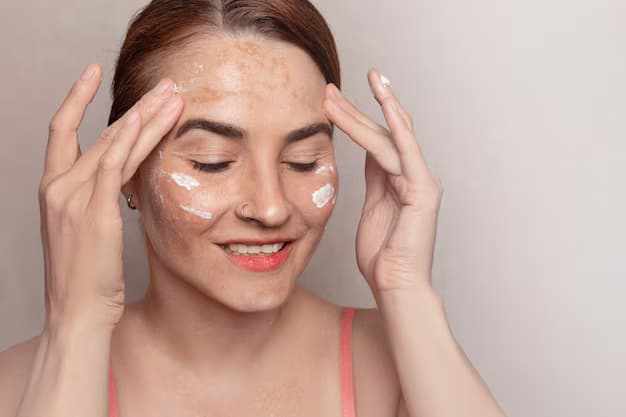
Melasma is a skin condition that causes brown or grayish-brown patches, typically on the cheeks, forehead, nose, and upper lip. It occurs due to an overproduction of melanin, the pigment responsible for skin color. The exact cause of melasma remains unclear, but certain factors can trigger its development, including:
Hormonal changes: Pregnancy, birth control pills, or hormone therapy can increase melanin production, leading to melasma.
Sun exposure: Ultraviolet (UV) rays from the sun can worsen melasma or trigger its onset.
Genetics: Those with a family history of melasma may be more prone to developing the condition.
Who is Affected by Melasma?
Melasma affects both men and women, though it is more common in women, especially those in their reproductive years. People with darker skin tones are also at higher risk of developing melasma. While melasma is not harmful to health, it can be a source of self-consciousness due to its visible nature.
Types of Creams for Melasma
When it comes to treating melasma, a variety of topical creams are available, each designed to lighten the dark patches on the skin. Some of these creams are available over-the-counter, while others may require a prescription from a dermatologist. Below are some of the most commonly used ingredients found in creams for melasma.
1. Hydroquinone
Hydroquinone is one of the most widely used active ingredients in creams for melasma. It works by inhibiting the production of melanin, helping to lighten dark patches. Hydroquinone is available in both over-the-counter and prescription forms, with higher concentrations typically requiring a doctor's recommendation.
How It Works:
Hydroquinone lightens the skin by reducing melanin production. It blocks the enzyme tyrosinase, which is involved in the creation of melanin, the pigment responsible for skin discoloration.
Effectiveness:
Hydroquinone is often considered the gold standard for treating melasma. Research has shown that it can be very effective in reducing the appearance of dark patches. However, long-term use may lead to side effects like skin irritation, redness, or even ochronosis (a bluish-black discoloration of the skin). It’s also essential to use sunscreen while applying hydroquinone, as sun exposure can worsen melasma.
2. Retinoids
Retinoids, derived from Vitamin A, are another popular ingredient in creams for melasma. They help to increase skin cell turnover, shedding the old, discolored skin and allowing fresh, even-toned skin to surface.
How It Works:
Retinoids encourage the skin to exfoliate and regenerate. This helps to remove the upper layers of skin cells that contain excess melanin and speeds up the healing process of the discolored patches.
Effectiveness:
Topical retinoids like tretinoin (Retin-A) are often used in combination with other ingredients, like hydroquinone, to treat melasma more effectively. Retinoids can significantly improve the appearance of melasma, but they can cause skin irritation, redness, or dryness, especially in the initial stages of use.
3. Vitamin C
Vitamin C is a powerful antioxidant known for its ability to brighten the skin and reduce hyperpigmentation. Many creams for melasma include Vitamin C as a key ingredient to lighten dark spots.
How It Works:
Vitamin C works by inhibiting melanin production and promoting collagen production. It helps to brighten the skin by reducing oxidative stress and preventing further skin discoloration caused by UV exposure.
Effectiveness:
Vitamin C is a gentler option compared to hydroquinone or retinoids and may be a better choice for people with sensitive skin. It is effective in lightening the skin and preventing new dark spots from forming when used consistently. However, it may take longer to see noticeable results.
4. Azelaic Acid
Azelaic acid is another popular treatment for melasma. It has anti-inflammatory and antibacterial properties, making it an ideal choice for individuals with sensitive or acne-prone skin.
How It Works:
Azelaic acid works by inhibiting melanin production, similar to hydroquinone. It also promotes skin cell turnover and helps to reduce inflammation, which can prevent melasma from worsening.
Effectiveness:
Azelaic acid is less potent than hydroquinone but is often better tolerated by sensitive skin types. It is effective in treating mild to moderate cases of melasma and may also help with acne or rosacea. Like Vitamin C, it may take a few weeks or months to notice significant improvements.
Are Creams for Melasma Effective?
Pros of Using Creams for Melasma
Targeted treatment: Melasma creams are designed specifically to treat dark patches on the skin, making them a targeted and efficient solution.
Convenience: These creams are easy to apply at home and are usually a non-invasive option compared to other treatments like laser therapy.
Gentle treatment options: Ingredients like Vitamin C and azelaic acid offer more gentle options for people with sensitive skin.
Cons of Using Creams for Melasma
Delayed results: Creams for melasma often take several weeks or months to show visible results. Patience and consistent use are required.
Side effects: Some ingredients, like hydroquinone and retinoids, can cause skin irritation, redness, or dryness, especially in the early stages of treatment.
Not a permanent solution: Even after successful treatment with melasma creams, the condition can return, especially if a person is exposed to triggers like sun exposure or hormonal fluctuations.
Complementary Treatments for Melasma
While creams for melasma can be effective, they are often most successful when used in conjunction with other treatments or lifestyle changes.
1. Sunscreen
One of the most important steps in managing melasma is sun protection. UV rays can worsen melasma and trigger the development of new dark spots. A broad-spectrum sunscreen with an SPF of 30 or higher should be applied every day, even on cloudy days, to prevent further pigmentation.
2. Chemical Peels
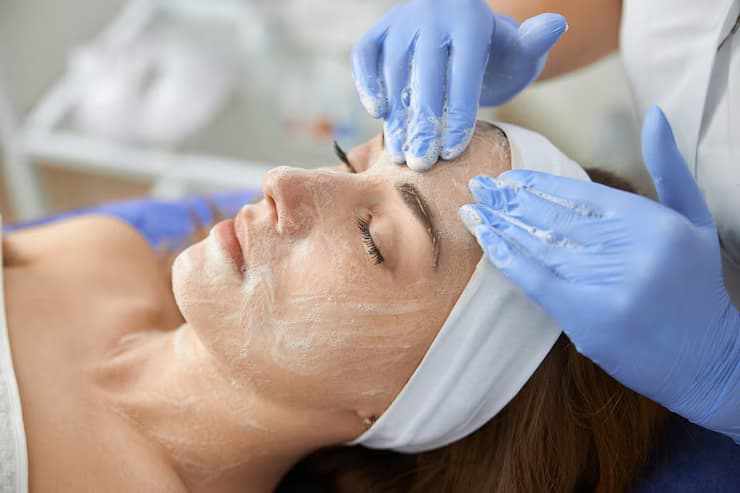
Chemical peels involve the application of a solution to exfoliate the skin and remove the top layers, which can help to lighten melasma. This treatment is typically performed by a dermatologist and can complement the effects of topical creams.
3. Laser Treatments
Laser treatments, such as fractional laser or intense pulsed light (IPL), can target the deeper layers of the skin and break down excess melanin. These treatments can be used in combination with creams for more stubborn cases of melasma, but they require professional guidance.
Conclusion
Creams for melasma can be an effective option for those looking to reduce dark patches and achieve a more even skin tone. Ingredients like hydroquinone, retinoids, Vitamin C, and azelaic acid have been shown to lighten the skin and improve the appearance of melasma over time. However, patience is key, as it may take weeks or months to see significant results.
It is also important to remember that sun exposure can worsen melasma, so daily use of sunscreen is crucial. For those seeking additional treatments, chemical peels and laser therapies can further complement the effectiveness of topical creams.
If you are considering a cream for melasma, be sure to consult a dermatologist to determine the best course of treatment based on your skin type and specific needs.
At MiQuest, we believe in providing solutions that promote healthy skin. With the right products and professional guidance, you can manage and reduce the appearance of melasma.



Write a comment ...