
Rosacea is a chronic skin condition that mainly affects the face and is often marked by persistent redness, visible blood vessels, and sensitivity. Many individuals with rosacea also experience localized spots or patches that appear inflamed and irritated. Managing these symptoms requires a gentle and consistent skincare approach. Using a suitable cream for rosacea spots can help calm the skin, reduce visible redness, and support long term comfort when used correctly.
This article explores what rosacea spots are, why they occur, and how a cream for rosacea spots can help soothe irritation across different skin types. It also provides guidance on ingredients, usage habits, and realistic expectations for people dealing with this condition.
Understanding Rosacea Spots and Skin Sensitivity
Rosacea spots are areas of concentrated redness and inflammation that develop due to increased skin sensitivity and vascular activity. These spots may appear on the cheeks, nose, chin, or forehead and can fluctuate in intensity.
Common Triggers Behind Rosacea Spots
Rosacea symptoms are often influenced by external and internal triggers. Sun exposure, heat, spicy foods, alcohol, stress, and harsh skincare products are common factors that can worsen redness and irritation. Environmental changes such as wind or cold weather may also cause flare ups.
Why Rosacea Skin Needs Special Care
Rosacea prone skin typically has a weakened skin barrier. This makes it more reactive to irritants and less able to retain moisture. As a result, even mild products can sometimes cause discomfort. A carefully chosen cream for rosacea spots focuses on calming inflammation while protecting the skin barrier.
How a Cream for Rosacea Spots Works
A cream for rosacea spots is designed to support sensitive skin rather than aggressively treating it. Its primary goal is to soothe, hydrate, and reduce visible redness.
Calming Inflammation and Redness
These creams often contain ingredients that help calm the skin and reduce inflammatory responses. By soothing irritation, the appearance of red spots becomes less noticeable over time.
Supporting the Skin Barrier
Strengthening the skin barrier is essential for managing rosacea. A cream for rosacea spots helps lock in moisture and protect the skin from external triggers that may cause flare ups.
Improving Overall Skin Comfort
Consistent use of a suitable cream can improve how the skin feels on a daily basis. Reduced tightness, burning sensations, and dryness contribute to better tolerance and improved appearance.
Choosing a Cream for Rosacea Spots Based on Skin Type
Although rosacea itself causes sensitivity, individuals with this condition may still have different underlying skin types. Choosing a cream that matches both rosacea needs and skin type can improve results.
Cream for Rosacea Spots for Dry Skin
Dry skin with rosacea often feels tight and uncomfortable. Redness may appear more intense due to lack of moisture.
Addressing Dryness and Redness Together
A cream for rosacea spots for dry skin should focus on deep hydration and soothing properties. Adequate moisture helps reduce sensitivity and supports a smoother, calmer appearance.
Texture Considerations
Richer textures are often more suitable for dry rosacea prone skin, as they provide longer lasting comfort and protection without causing irritation.
Cream for Rosacea Spots for Oily Skin
Oily skin with rosacea can be challenging, as heavy products may feel uncomfortable while light products may not provide enough calming benefits.
Managing Oil Without Irritation
A cream for rosacea spots for oily skin should be lightweight and non pore clogging. Balancing hydration helps regulate oil production and reduce the appearance of inflamed spots.
Supporting Clearer Looking Skin
By calming inflammation, the cream helps improve overall skin clarity. This can reduce the contrast between red areas and the rest of the face.
Cream for Rosacea Spots for Combination Skin
Combination skin experiences both oily and dry areas, which can affect how rosacea spots appear.
Uneven Redness Patterns
Rosacea spots may be more visible on drier areas while oilier zones may show shine along with redness. This uneven pattern requires balanced care.
Balanced Application Approach
A cream for rosacea spots that offers moderate hydration and soothing benefits works well for combination skin. Adjusting the amount used on different areas can improve comfort and results.
Cream for Rosacea Spots for Sensitive Skin
Sensitive skin is highly reactive and often overlaps with rosacea symptoms.
Minimizing Irritation Risks
A cream for rosacea spots for sensitive skin should avoid ingredients that commonly trigger reactions. Simple and gentle formulations are better tolerated and reduce the risk of flare ups.
Importance of Patch Testing
Patch testing helps identify potential reactions before full application. Introducing the cream gradually allows sensitive skin to adjust more comfortably.
Cream for Rosacea Spots for Normal Skin
Normal skin with rosacea still requires careful management to prevent flare ups.
Maintaining Balance and Comfort
A cream for rosacea spots for normal skin should focus on maintaining hydration and calming redness without overwhelming the skin.
Preventing Future Flare Ups
Consistent use helps keep the skin barrier strong, reducing the frequency and intensity of rosacea spots over time.
Key Ingredients to Look for in a Cream for Rosacea Spots
Ingredient selection plays a crucial role in how effective and comfortable a cream feels on rosacea prone skin.
Soothing and Calming Ingredients
Ingredients that calm redness and support skin comfort are essential. These components help reduce visible irritation and improve tolerance.
Hydrating and Barrier Supporting Ingredients
Hydration helps repair and maintain the skin barrier. A strong barrier reduces sensitivity and protects against environmental triggers.
Avoiding Potential Irritants
Rosacea prone skin often reacts poorly to strong fragrances, alcohol, and harsh exfoliating agents. A cream for rosacea spots should be free from common irritants to minimize flare ups.
How to Use a Cream for Rosacea Spots Effectively
Proper usage helps maximize the benefits of any skincare product designed for rosacea.
Gentle Application Techniques
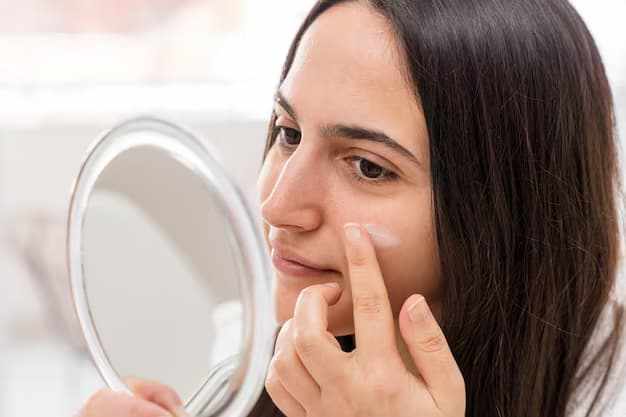
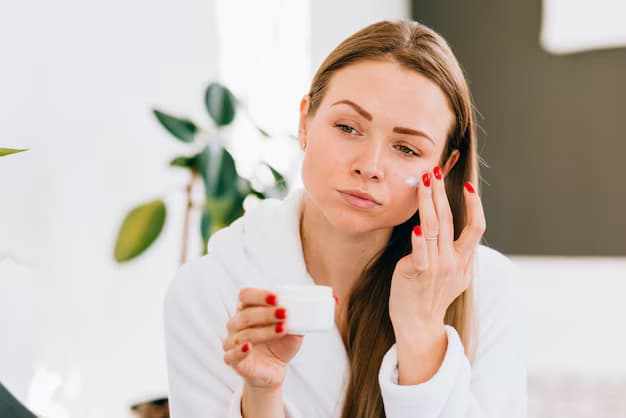
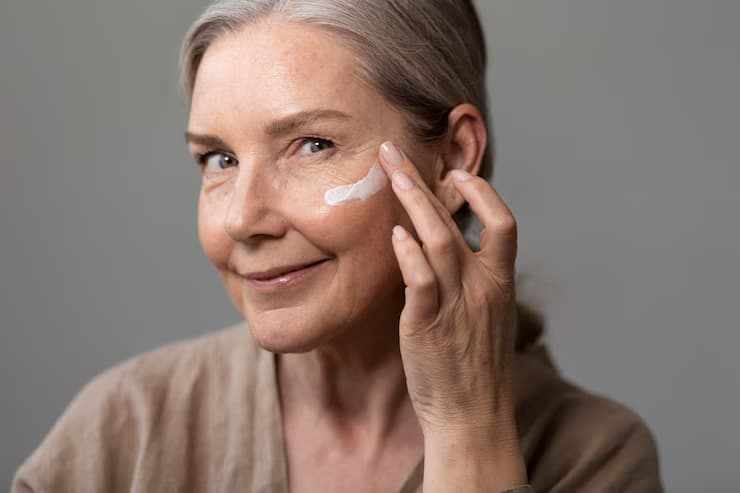
Applying the cream with light pressure helps avoid triggering redness. Rubbing or massaging too vigorously can worsen irritation.
Consistency Over Time
Rosacea is a long term condition. Consistent use of a cream for rosacea spots helps maintain calm skin and manage symptoms more effectively.
Supporting a Cream for Rosacea Spots with Daily Habits
Skincare products work best when supported by healthy daily practices.
Sun Protection for Rosacea Prone Skin
Sun exposure is a major trigger for rosacea. Daily sun protection helps prevent worsening redness and supports the soothing effects of the cream.
Identifying and Avoiding Triggers
Keeping track of personal triggers helps reduce flare ups. Avoiding known irritants allows the cream for rosacea spots to perform more effectively.
Gentle Cleansing and Skin Care Routine
Using mild cleansers and avoiding over exfoliation protects the skin barrier. A simple routine reduces stress on rosacea prone skin.
Realistic Expectations When Using a Cream for Rosacea Spots
While a cream for rosacea spots can significantly improve comfort and appearance, it is important to maintain realistic expectations.
Gradual Improvement Rather Than Instant Relief
Some soothing effects may be felt quickly, but visible reduction in redness often takes time. Gradual improvement is a positive and sustainable outcome.
Long Term Management Approach
Rosacea does not have a permanent cure, but it can be managed effectively. Regular use of a suitable cream helps keep symptoms under control and supports healthier looking skin.
Conclusion
Managing rosacea spots requires patience, consistency, and a gentle skincare approach. A well chosen cream for rosacea spots can help soothe redness, reduce irritation, and improve overall skin comfort across different skin types. By understanding individual skin needs, avoiding triggers, and maintaining supportive daily habits, individuals with rosacea can achieve calmer and more balanced skin.
With the right expectations and consistent care, a cream for rosacea spots becomes an essential part of a long term routine focused on soothing sensitivity and enhancing skin confidence.





Write a comment ...