
Active acne breakouts can be frustrating, uncomfortable, and difficult to manage. Pimples, whiteheads, blackheads, and inflamed bumps often appear unexpectedly and can persist for weeks if not treated properly. An acne removal cream is a commonly used topical solution designed to address these active breakouts directly at the skin level. When used correctly, it can help calm inflammation, reduce bacteria, unclog pores, and support faster healing.
This article explains how an acne removal cream works on active breakouts, the science behind its effectiveness, and how it fits into a consistent skincare routine. Understanding its role helps individuals use it more effectively and achieve clearer looking skin over time.
Understanding Active Acne Breakouts
Active breakouts occur when pores become blocked with excess oil, dead skin cells, and bacteria. This environment creates inflammation and leads to visible acne lesions.
What Causes Active Acne
Hormonal fluctuations stimulate oil production, especially during adolescence, menstruation, and periods of stress. Excess oil combines with dead skin cells, clogging pores and creating an ideal environment for acne causing bacteria to multiply.
External factors such as pollution, heavy skincare products, and improper cleansing can also contribute to breakouts. Diet, lifestyle habits, and genetics further influence how frequently acne appears and how severe it becomes.
Types of Active Acne Lesions
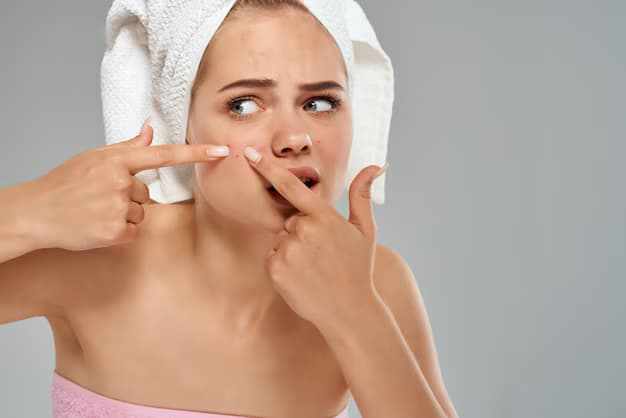
Whiteheads form when clogged pores remain closed beneath the skin surface. Blackheads occur when pores are open and oxidized, giving them a dark appearance. Papules and pustules are inflamed lesions that appear red and swollen, sometimes containing pus. Nodules and cysts are deeper, more painful forms of acne that take longer to heal.
An acne removal cream is typically formulated to address mild to moderate active breakouts, particularly surface level and inflamed lesions.
What Is an Acne Removal Cream
An acne removal cream is a topical treatment designed to target acne directly where it forms. Unlike cleansers that rinse off, creams remain on the skin, allowing active ingredients to work over an extended period.
Purpose of an Acne Removal Cream
The primary purpose is to reduce active breakouts by addressing their root causes. These creams help control oil production, clear clogged pores, reduce bacteria, and soothe inflammation. They also support the skin healing process, minimizing the risk of post acne marks.
How It Differs From Other Acne Products
Cleansers focus on surface cleanliness, while toners balance the skin after cleansing. An acne removal cream delivers targeted treatment, staying in contact with the skin longer for deeper effectiveness. This makes it a key step in acne focused routines.
How Acne Removal Cream Works on the Skin
An acne removal cream works through multiple mechanisms that target different stages of acne development.
Unclogging Blocked Pores
Many acne removal cream formulas include ingredients that promote gentle exfoliation. These ingredients help loosen dead skin cells that block pores, allowing trapped oil to escape. Clear pores reduce the formation of new breakouts and help existing ones heal faster.
Reducing Acne Causing Bacteria
Bacteria play a significant role in active acne inflammation. Acne removal cream often contains antibacterial agents that limit bacterial growth within pores. Reducing bacteria helps calm redness, swelling, and tenderness associated with breakouts.
Controlling Excess Oil Production
Excess sebum is a major contributor to acne. Certain ingredients help regulate oil production without stripping the skin. Balanced oil levels prevent pores from becoming clogged while maintaining skin comfort.
Calming Inflammation and Redness
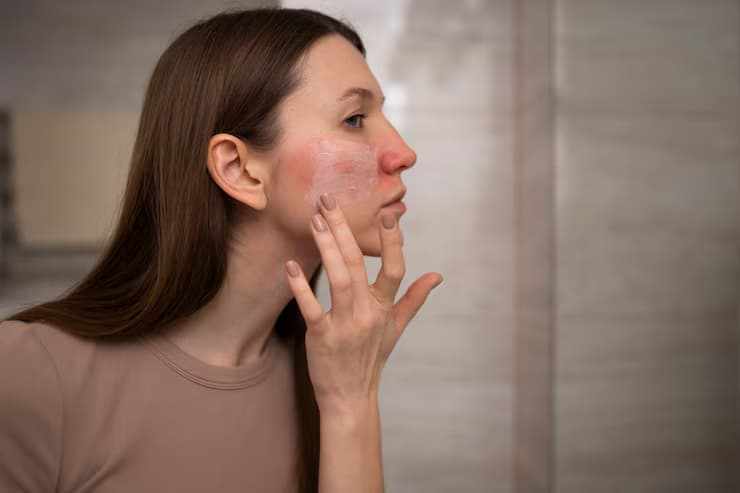
Active breakouts are often accompanied by redness, pain, and swelling. Soothing ingredients in an acne removal cream help reduce irritation and support the skin barrier. This calming effect makes breakouts less noticeable and more comfortable.
Key Ingredients That Support Active Breakout Treatment
The effectiveness of an acne removal cream depends largely on its ingredient composition.
Exfoliating Ingredients
Ingredients such as salicylic acid penetrate pores and dissolve excess oil buildup. They help clear existing blockages and prevent new ones from forming, making them particularly effective for blackheads and whiteheads.
Antibacterial and Anti Inflammatory Components
Certain ingredients help control acne causing bacteria while reducing inflammation. These components work together to shrink active pimples and reduce discomfort.
Skin Soothing and Repairing Ingredients
A well formulated acne removal cream also includes ingredients that support healing. Aloe vera, centella asiatica, and similar soothing agents help restore balance and prevent excessive dryness.
How to Apply Acne Removal Cream for Active Breakouts
Proper application plays a major role in how effectively an acne removal cream works.
Cleanse the Skin Thoroughly
Before applying the cream, the skin should be cleansed with a gentle cleanser to remove dirt, oil, and impurities. Clean skin allows active ingredients to penetrate more efficiently.
Apply a Thin, Even Layer
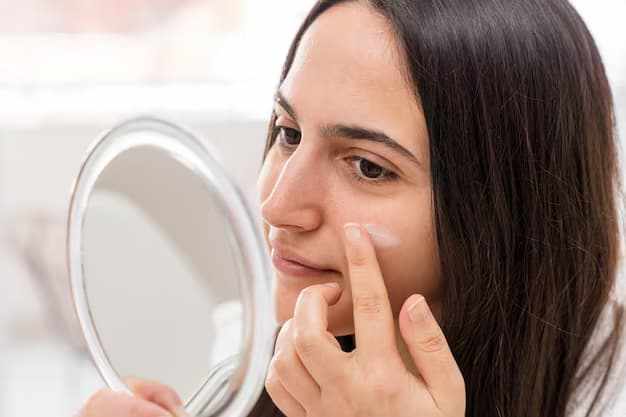
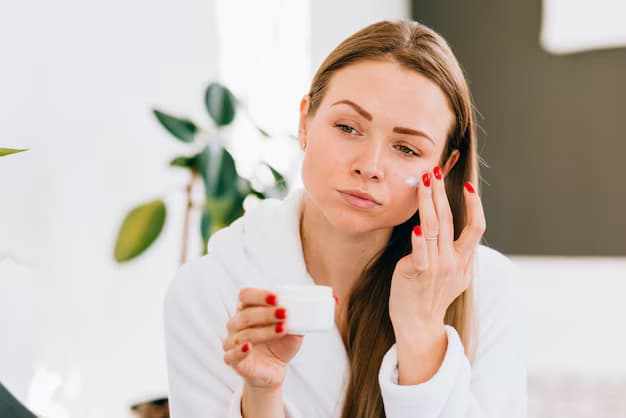
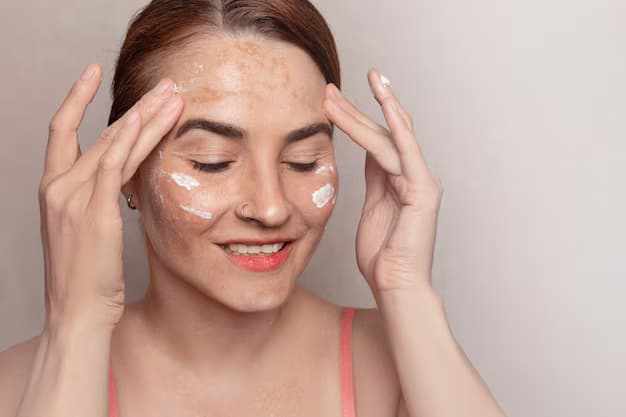
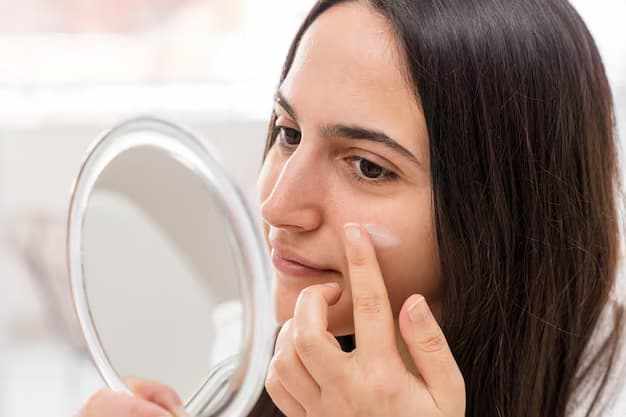
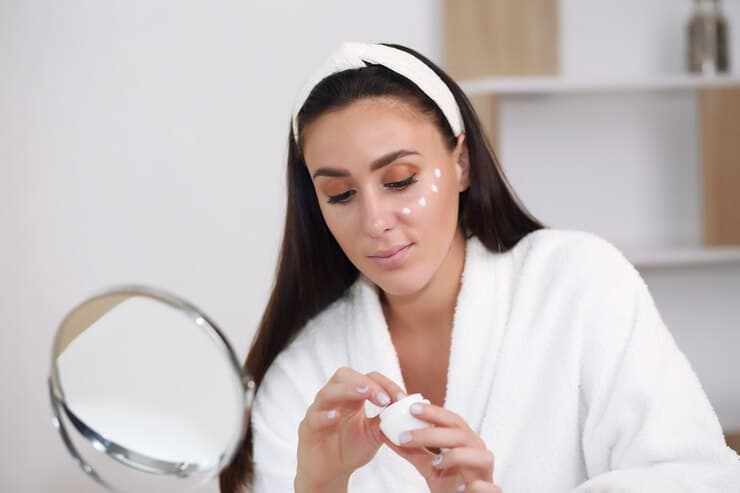
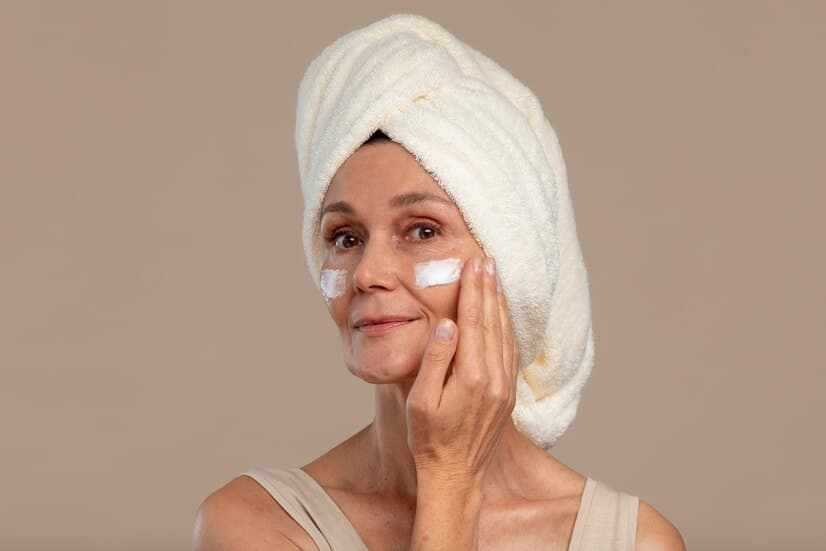
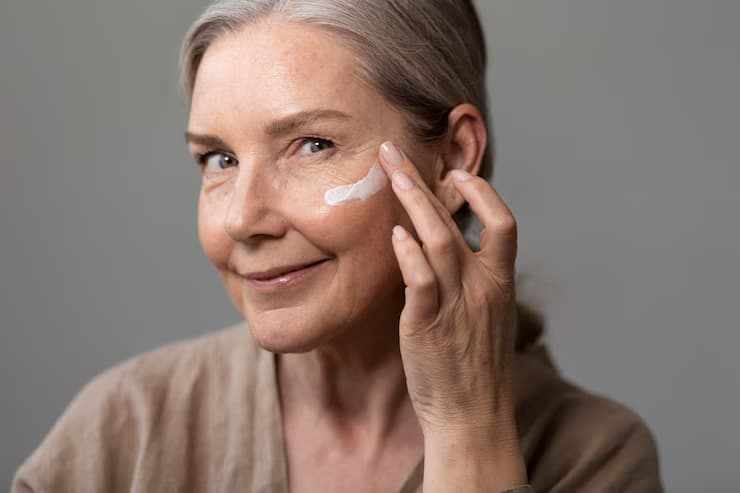
A small amount of acne removal cream is usually sufficient. It should be applied evenly to affected areas or across acne prone zones, depending on instructions. Using more than necessary does not improve results and may irritate the skin.
Avoid Harsh Rubbing
The cream should be gently spread using clean fingertips. Excessive rubbing can worsen inflammation and slow healing.
Follow With Moisturizer if Needed
Some individuals may experience dryness during acne treatment. A lightweight, non comedogenic moisturizer helps maintain hydration and support the skin barrier.
When and How Often to Use Acne Removal Cream
Frequency and timing influence treatment success.
Night Time Use
Many people prefer applying acne removal cream at night when the skin undergoes natural repair. This allows uninterrupted absorption and effectiveness.
Day Time Use With Protection
Some formulas are suitable for daytime use. In such cases, sunscreen is essential to protect treated skin from sun sensitivity and prevent irritation.
Consistency Over Frequency
Regular use according to directions is more effective than frequent overuse. Consistency supports steady improvement without overwhelming the skin.
What to Expect During the Treatment Process
Understanding the treatment timeline helps manage expectations.
Initial Adjustment Phase
During the first few weeks, mild dryness or purging may occur as pores begin to clear. This phase is temporary and often signals that the product is working.
Visible Improvement Over Time
With continued use, active breakouts become less inflamed and heal more quickly. Fewer new pimples form as pores remain clearer and oil production becomes balanced.
Common Mistakes That Reduce Effectiveness
Certain habits can limit how well an acne removal cream performs.
Overusing the Product
Applying the cream too often can disrupt the skin barrier and cause irritation. Following recommended usage guidelines ensures better tolerance.
Skipping Sun Protection
Treated skin may become more sensitive to sunlight. Daily sunscreen use helps prevent irritation and post acne discoloration.
Combining Too Many Actives
Using multiple strong acne treatments at once may lead to sensitivity. A simplified routine often delivers better results.
Supporting Acne Removal Cream With Healthy Habits
Topical treatment works best alongside supportive lifestyle choices.
Maintain Proper Hygiene
Keeping pillowcases, makeup tools, and hands clean reduces the transfer of bacteria to the skin.
Manage Stress Levels
Stress can trigger hormonal changes that worsen acne. Relaxation techniques and adequate sleep support clearer skin.
Follow a Balanced Diet
Nutrient rich foods support skin repair and overall health. Staying hydrated also helps maintain skin balance.
When to Seek Professional Guidance
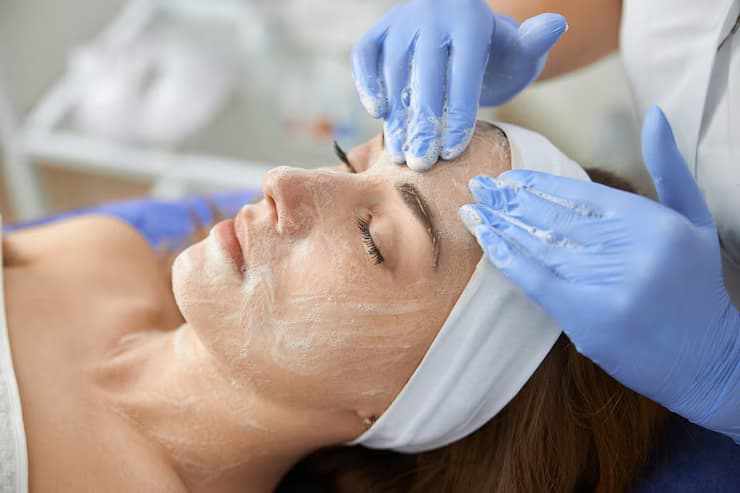
If active breakouts persist or worsen despite consistent use of an acne removal cream, professional advice may be beneficial. A skincare specialist or dermatologist can assess the condition and recommend additional treatments if needed.
Conclusion
An acne removal cream plays a vital role in managing active breakouts by targeting clogged pores, bacteria, excess oil, and inflammation. When used correctly and consistently, it helps reduce existing pimples and prevent new ones from forming. By understanding how an acne removal cream works and incorporating it into a balanced skincare routine, individuals can support clearer, calmer, and healthier looking skin over time.



Write a comment ...