
Active acne is a common skin concern that affects people of all ages. Pimples, whiteheads, blackheads, and inflamed spots can appear suddenly and take time to heal, often causing discomfort and self confidence issues. An effective Acne Removal Cream is designed to work directly on active acne by targeting its root causes while supporting the skin’s natural healing process. When used correctly and consistently, it can help reduce breakouts, calm inflammation, and promote clearer and healthier looking skin.
Understanding Active Acne
Active acne refers to breakouts that are currently inflamed or developing on the skin. These lesions may appear red, swollen, painful, or filled with pus. Unlike acne marks, active acne requires ingredients that control bacteria, oil production, and inflammation at the same time.
What Causes Active Acne
Active acne develops when pores become clogged with excess oil and dead skin cells. This environment allows acne causing bacteria to multiply, leading to inflammation and visible breakouts. Hormonal changes, stress, diet, pollution, and improper skincare routines can all contribute to ongoing acne activity.
Common Types of Active Acne
Active acne can appear in several forms. Whiteheads and blackheads occur when pores are clogged but not deeply inflamed. Papules and pustules are red, swollen spots that may contain pus. Nodules and cysts are deeper and more painful, often taking longer to heal. Acne removal creams are mainly designed to address mild to moderate active acne.
What Is an Acne Removal Cream
An acne removal cream is a topical treatment formulated specifically to reduce active breakouts. Unlike regular moisturizers, it contains targeted ingredients that help unclog pores, reduce bacteria, and calm irritation while still maintaining skin hydration.
How Acne Removal Cream Differs From Spot Treatments
Spot treatments are often highly concentrated and applied only to individual pimples. Acne removal creams are typically designed for broader use across acne prone areas. They provide ongoing support to prevent new breakouts while treating existing ones.
Role of Acne Removal Cream in Daily Skincare
Acne removal cream works best when used as part of a consistent skincare routine. Regular application helps maintain balanced skin conditions, making it less likely for acne to develop or worsen.
How Acne Removal Cream Works on Active Acne
Acne removal creams work through multiple mechanisms to address active breakouts effectively.
Unclogging Pores
One of the primary functions of an acne removal cream is to keep pores clear. Ingredients that support gentle exfoliation help remove dead skin cells and excess oil that block pores. Clear pores reduce the formation of new pimples.
Controlling Acne Causing Bacteria
Bacterial growth within clogged pores is a major cause of inflammation. Many acne removal creams include antibacterial ingredients that help reduce the presence of acne causing bacteria, limiting the severity of active breakouts.
Reducing Inflammation and Redness
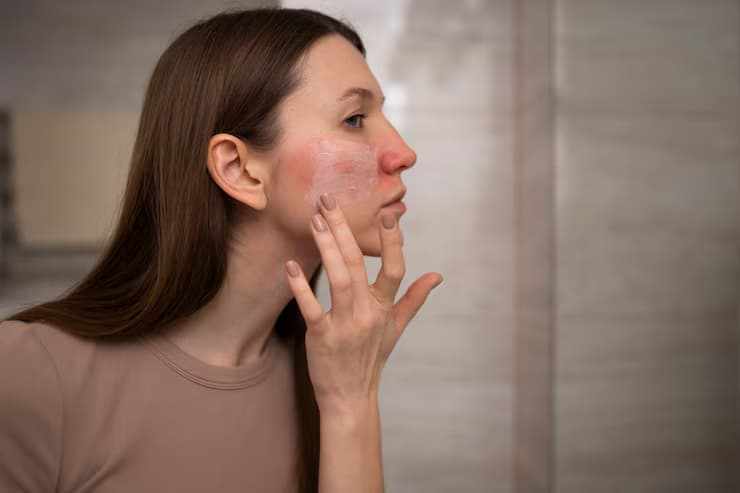
Active acne is often accompanied by redness, swelling, and discomfort. Acne removal creams contain soothing agents that calm inflamed skin, helping pimples heal faster and appear less noticeable.
Regulating Excess Oil Production
Excess sebum increases the likelihood of clogged pores. Acne removal creams often include ingredients that help balance oil production, keeping the skin less greasy without causing dryness.
Key Ingredients Commonly Found in Acne Removal Cream
The effectiveness of an acne removal cream largely depends on its formulation. Understanding common ingredients helps in choosing the right product.
Ingredients That Treat Active Breakouts
Salicylic acid is widely used to penetrate pores and dissolve excess oil. It helps treat existing acne while preventing new breakouts. Benzoyl peroxide is another common ingredient that reduces bacteria and inflammation, although it should be used carefully to avoid dryness.
Ingredients That Soothe Irritated Skin
Niacinamide helps calm inflammation and supports the skin barrier. Aloe vera and chamomile extract provide soothing benefits that reduce redness and irritation associated with active acne.
Ingredients That Maintain Hydration
Hydrating ingredients such as hyaluronic acid and glycerin help maintain moisture balance. Proper hydration prevents excessive dryness, which can otherwise trigger more oil production and worsen acne.
Benefits of Using Acne Removal Cream for Active Acne
Consistent use of an acne removal cream offers several advantages for managing active breakouts.
Faster Healing of Pimples
By reducing bacteria and inflammation, acne removal cream helps active pimples heal more quickly. This reduces the duration of breakouts and discomfort.
Reduced Risk of Acne Marks
Treating active acne effectively lowers the chances of developing dark spots or red marks after pimples heal. Early intervention supports smoother skin recovery.
Improved Overall Skin Balance
With regular use, acne removal cream helps create a balanced skin environment. Balanced skin is less prone to sudden flare ups and recurring breakouts.
How to Use Acne Removal Cream Effectively
Correct application is essential to get the best results from an acne removal cream.
Proper Application Steps
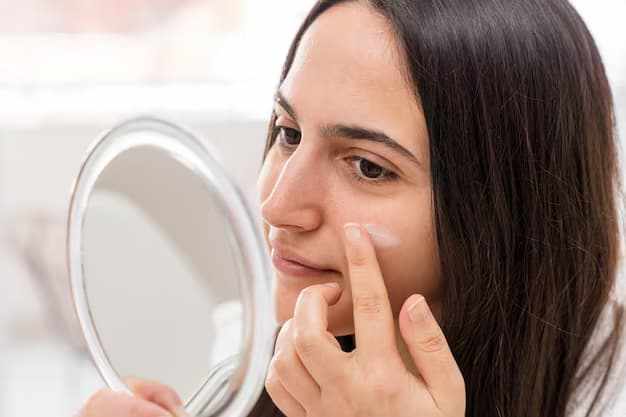
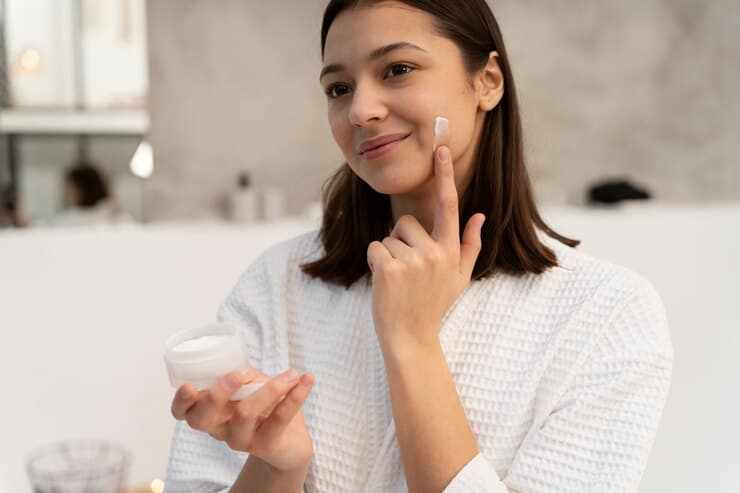
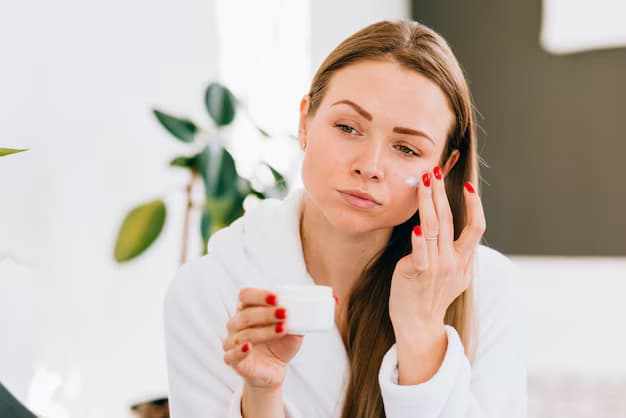
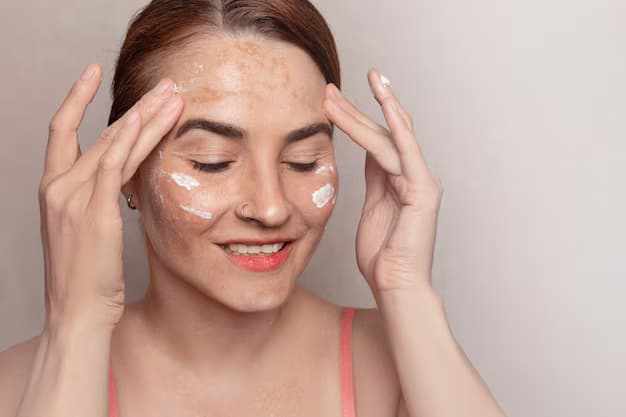
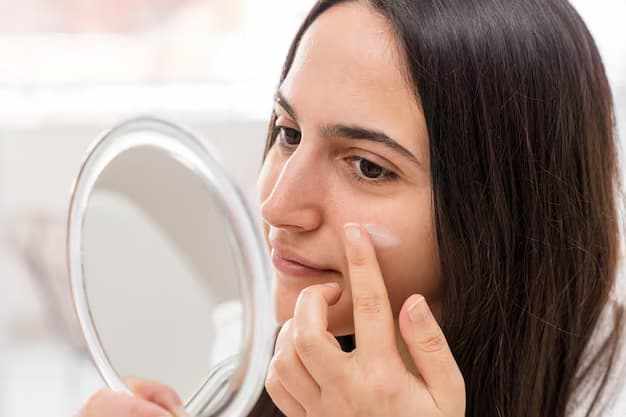
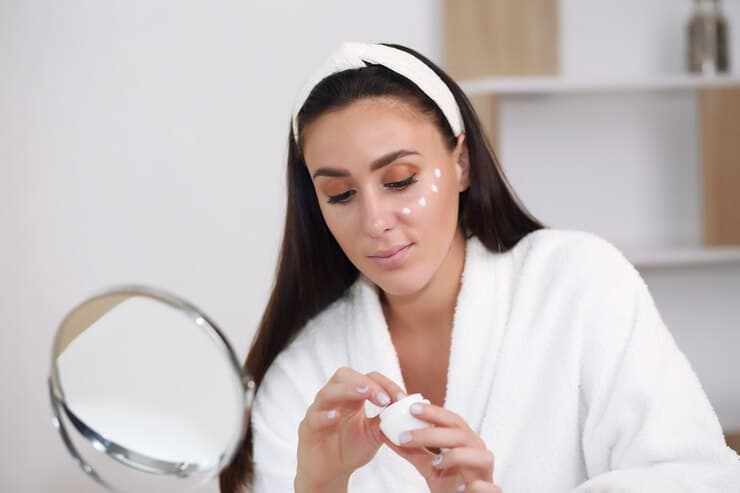
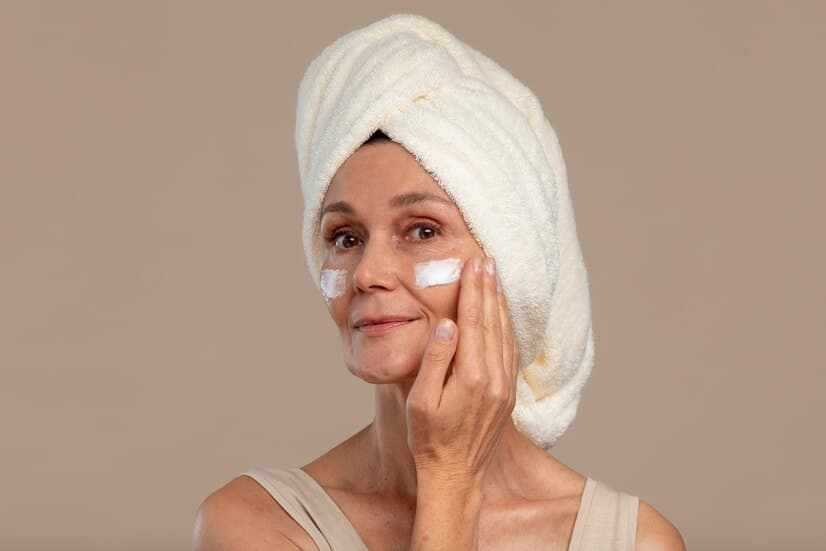
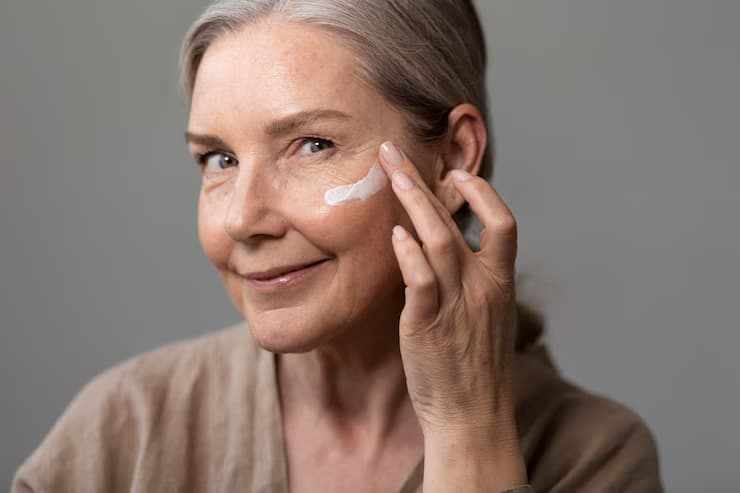
Cleansing the face removes dirt, oil, and impurities that can interfere with treatment. After cleansing, a thin layer of acne removal cream should be applied evenly to affected areas or the entire face, depending on the product instructions.
Frequency of Use
Most acne removal creams are designed for once or twice daily use. Starting with a lower frequency helps the skin adjust, especially for sensitive skin. Gradually increasing usage improves tolerance and results.
Importance of Sun Protection
Some acne treatment ingredients can make skin more sensitive to sunlight. Using sunscreen during the day protects the skin and prevents irritation or darkening of healing acne.
Choosing the Right Acne Removal Cream for Your Skin Type
Different skin types require different formulations for optimal results.
For Oily and Acne Prone Skin
Lightweight and non comedogenic acne removal creams are ideal for oily skin. These formulations help control shine while effectively treating active acne.
For Dry or Combination Skin
Cream based formulations that include both acne fighting and moisturizing ingredients help prevent dryness and flaking while treating breakouts.
For Sensitive Skin
Sensitive skin benefits from gentle acne removal creams with fewer active ingredients. Fragrance free and alcohol free options help reduce irritation.
Common Mistakes to Avoid When Treating Active Acne
Avoiding certain habits can improve treatment outcomes and protect skin health.
Overusing the Product
Applying too much acne removal cream does not speed up results. Overuse can irritate the skin and worsen inflammation.
Mixing Too Many Treatments
Using multiple acne treatments at the same time can overwhelm the skin. A simple and consistent routine is often more effective.
Touching or Picking Pimples
Picking at active acne increases inflammation and raises the risk of scars. Allowing acne to heal naturally with proper treatment is essential.
Lifestyle Factors That Influence Active Acne
Skincare products work best when supported by healthy daily habits.
Diet and Hydration
A balanced diet rich in fruits, vegetables, and essential nutrients supports skin health. Drinking enough water helps maintain skin hydration and balance.
Stress Management
Stress can trigger hormonal changes that worsen acne. Managing stress through relaxation and adequate sleep supports clearer skin.
Maintaining Clean Skincare Practices
Regularly cleaning makeup tools, changing pillowcases, and removing makeup before bed help reduce bacterial exposure and support acne control.
When to Expect Results From Acne Removal Cream
Results depend on the severity of acne, skin type, and consistency of use. Some individuals notice reduced inflammation within a few weeks, while ongoing improvement continues over several months. Patience and regular application are key to long term success.
Long Term Role of Acne Removal Cream in Skincare
Beyond treating active acne, continued use helps maintain clearer skin. It supports pore health, reduces the frequency of breakouts, and promotes a more even complexion over time.
Conclusion
An acne removal cream plays an important role in managing active acne by targeting clogged pores, bacteria, excess oil, and inflammation. When used consistently and correctly, it helps heal existing breakouts and prevent new ones from forming. Combined with proper skincare habits, sun protection, and a balanced lifestyle, it supports clearer and healthier looking skin in the long term. For individuals seeking reliable skincare guidance and consistent routines, MiQuest highlights the importance of informed choices and patience in achieving lasting acne control.



Write a comment ...