
Melasma is a common skin concern that causes dark, uneven patches on the face, often affecting the cheeks, forehead, nose, and upper lip. These patches can be persistent and emotionally challenging, especially when they interfere with an even complexion. A well formulated cream for melasma plays a key role in managing this condition by helping reduce discoloration, support skin renewal, and promote a clearer and more balanced appearance. With consistent use and the right skincare approach, visible improvement is possible over time.
Understanding Melasma and Its Impact on Skin
Melasma is a form of hyperpigmentation that occurs when melanocytes produce excess melanin in certain areas of the skin. It is not harmful, but it can significantly affect skin tone uniformity and confidence.
What Causes Melasma
Melasma develops due to a combination of internal and external factors. Hormonal changes are among the most common triggers, especially during pregnancy, menopause, or while using hormonal therapies. Sun exposure also plays a major role, as ultraviolet rays stimulate melanin production and worsen existing patches. Genetics, heat exposure, and certain medications may further increase susceptibility.
Common Characteristics of Melasma
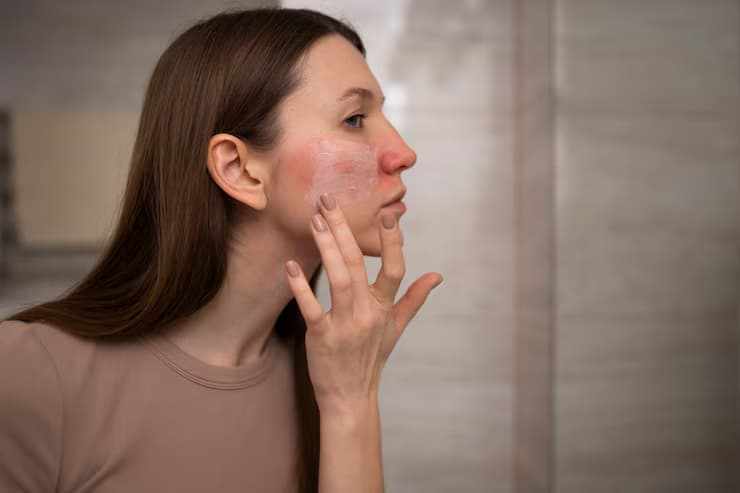
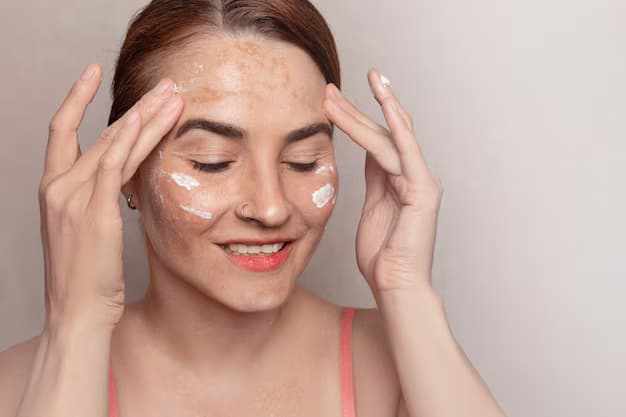
Melasma appears as brown or gray brown patches with irregular borders. These patches are usually symmetrical and develop gradually. Unlike post acne marks, melasma often persists without treatment and can deepen with continued sun exposure.
What Is a Cream for Melasma
A cream for melasma is a topical treatment designed to address excess pigmentation and support skin tone correction. These creams focus on regulating melanin production, encouraging gentle exfoliation, and improving overall skin clarity without causing unnecessary irritation.
How a Cream for Melasma Works
This type of cream works by targeting different stages of pigmentation formation. Some ingredients help inhibit excess melanin production, while others promote the removal of pigmented surface cells. At the same time, hydrating and soothing components support the skin barrier, which is essential for long term improvement.
Benefits of Using a Cream for Melasma
Regular use of a cream for melasma offers multiple skin benefits beyond reducing dark patches.
Reduction in Dark Facial Patches
With consistent application, these creams help gradually fade the appearance of melasma by supporting balanced pigmentation and skin renewal.
Improved Skin Tone and Clarity
As discoloration fades, the overall complexion appears more even and refined. This enhanced clarity often leads to a healthier looking glow.
Support for Skin Barrier Health
Many formulations include moisturizing and calming ingredients that strengthen the skin barrier, reducing sensitivity and supporting long term results.
Boosted Confidence and Comfort
Clearer and more even skin can improve self confidence and reduce the need for heavy makeup to conceal pigmentation.
Key Ingredients Commonly Found in a Cream for Melasma
The effectiveness of a cream for melasma depends largely on its ingredient profile. Understanding these components helps in making informed skincare choices.
Melanin Regulating Ingredients
Ingredients such as azelaic acid and kojic acid help regulate melanin production and reduce the intensity of dark patches. These are widely used for managing hyperpigmentation concerns.
Brightening and Tone Correcting Ingredients
Vitamin C supports a brighter complexion by reducing dullness and uneven tone. Niacinamide helps improve skin clarity while supporting barrier repair and reducing redness.
Gentle Exfoliating Agents
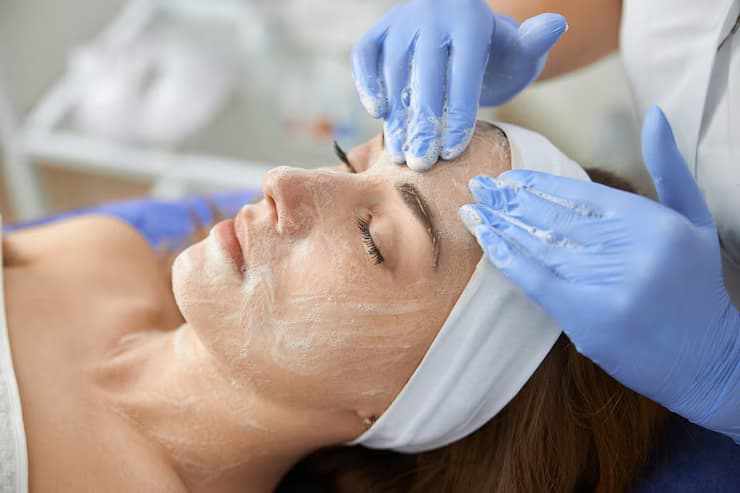
Alpha hydroxy acids such as lactic acid promote the removal of pigmented surface cells, allowing fresher skin to emerge. Gentle exfoliation improves texture and enhances the effectiveness of other active ingredients.
Hydrating and Soothing Ingredients
Hyaluronic acid helps maintain moisture balance, while ingredients like aloe vera and allantoin soothe the skin and minimize irritation during treatment.
How to Use a Cream for Melasma Effectively
Proper application and consistency are essential when treating melasma.
Cleanse the Skin Gently
Begin with a mild cleanser to remove impurities and prepare the skin for treatment. Avoid harsh scrubs that may irritate the skin and worsen pigmentation.
Apply the Cream as Directed
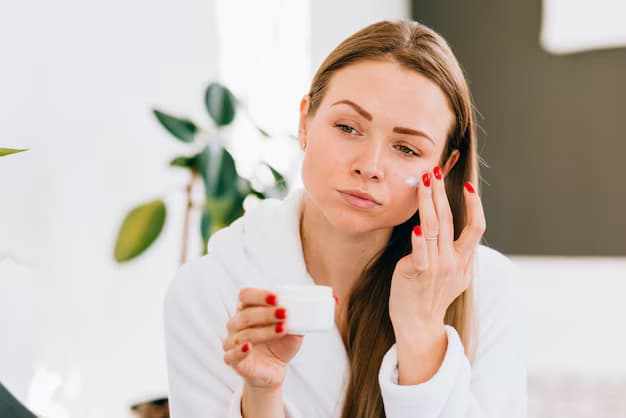
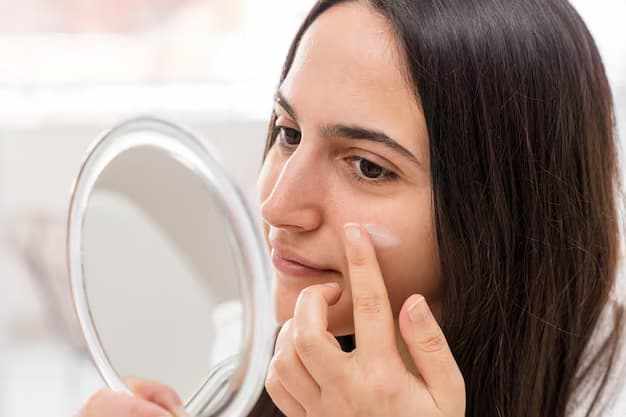
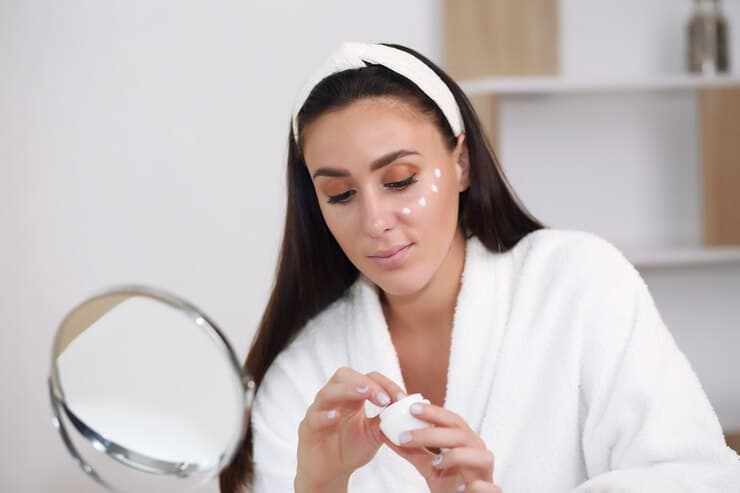
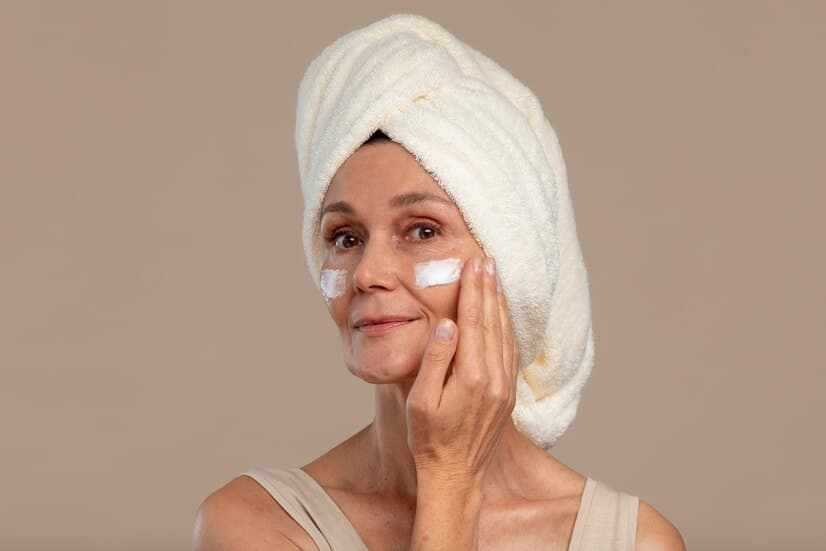
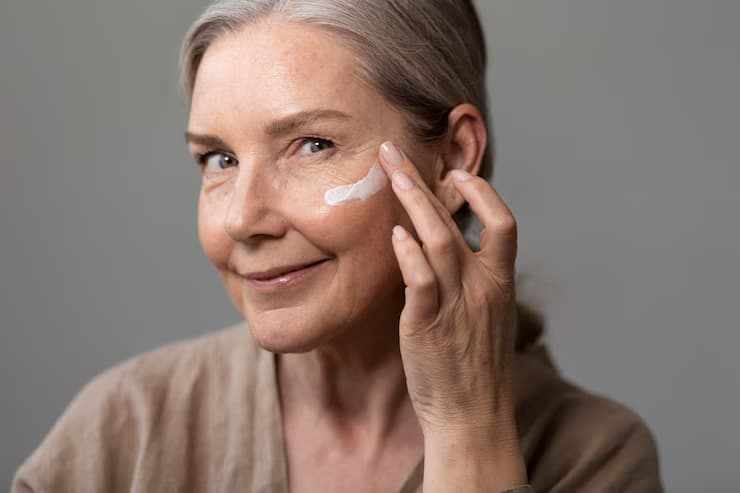
A small amount of cream should be applied evenly to affected areas. Gentle massage helps with absorption without causing friction or sensitivity.
Always Use Sun Protection
Sun exposure is one of the main triggers of melasma. Applying a broad spectrum sunscreen daily is essential to protect progress and prevent dark patches from returning.
Choosing the Right Cream for Melasma Based on Skin Type
Skin type plays a major role in selecting an effective and comfortable formulation.
For Dry or Dehydrated Skin
Creams with rich moisturizing agents help prevent dryness and flaking, ensuring the skin remains comfortable during treatment.
For Oily or Combination Skin
Lightweight, non comedogenic formulations help manage pigmentation without clogging pores or increasing oiliness.
For Sensitive Skin
Gentle formulas with calming ingredients are ideal for minimizing irritation while still supporting gradual fading of melasma.
Lifestyle Habits That Support Melasma Treatment
Topical treatments work best when supported by healthy daily habits.
Consistent Sun Avoidance
Wearing hats, seeking shade, and avoiding peak sun hours reduce the risk of melasma worsening. Heat exposure can also trigger pigmentation, so minimizing excessive heat is beneficial.
Balanced Nutrition and Hydration
A diet rich in antioxidants supports skin health and helps reduce oxidative stress that contributes to pigmentation issues.
Stress Management and Rest
Hormonal fluctuations linked to stress can influence melasma. Adequate sleep and relaxation techniques support overall skin balance.
Common Mistakes to Avoid When Treating Melasma
Avoiding certain habits improves results and protects the skin.
Expecting Immediate Results
Melasma fades gradually. Consistent use over several weeks or months is required to see noticeable improvement.
Overusing Active Ingredients
Using too many strong products at once can irritate the skin and worsen pigmentation. A simple and balanced routine is more effective.
Skipping Sunscreen
Even the most effective cream for melasma cannot deliver results without proper sun protection. Daily sunscreen use is non negotiable.
When to Expect Visible Improvements
Some individuals notice mild brightening within a few weeks, while more significant fading of dark patches may take several months. Results depend on the depth of pigmentation, consistency of use, and adherence to sun protection.
Conclusion
A cream for melasma is a valuable tool for reducing dark facial patches and promoting a more even complexion. By addressing excess pigmentation, supporting gentle exfoliation, and maintaining skin hydration, it helps improve clarity and confidence over time. When combined with sun protection and healthy lifestyle habits, consistent use can lead to lasting improvements. For those seeking reliable skincare guidance and long term skin health, MiQuest highlights the importance of patience, proper routine, and informed product selection in managing melasma effectively.






Write a comment ...