
Acne is one of the most common skin conditions affecting individuals of all ages, and it can be frustrating to deal with. From red pimples to cystic breakouts, the search for effective acne removal cream can be overwhelming. While many products claim to clear up skin, not all of them deliver results. This article highlights the key factors to consider when choosing an acne removal cream and reviews the most effective treatments available.
Understanding Acne and Its Causes
Before diving into acne removal creams, it is essential to understand what causes acne in the first place. Acne occurs when hair follicles are clogged with oil, dead skin cells, and sometimes bacteria. This creates an environment where pimples, blackheads, and cysts can form. Hormonal changes, genetics, diet, and stress can all contribute to acne outbreaks.
The type of acne a person experiences may influence the choice of acne removal cream. For example, those with oily skin may benefit from different treatments than those with dry skin or sensitive skin. Knowing your skin type is an important first step.
How Acne Removal Creams Work
Acne removal creams often contain active ingredients designed to reduce inflammation, kill bacteria, or unclog pores. Common ingredients include:
Benzoyl Peroxide: Helps reduce the number of acne-causing bacteria on the skin and decreases inflammation.
Salicylic Acid: A beta hydroxy acid (BHA) that works by exfoliating the skin, clearing out pores, and reducing the buildup of dead skin cells.
Retinoids: Vitamin A derivatives that promote cell turnover, preventing clogged pores and reducing inflammation.
Alpha Hydroxy Acids (AHAs): These help with skin exfoliation and can reduce scarring or discoloration caused by acne.
When choosing an acne removal cream, it's essential to consider how these ingredients work with your skin type and severity of acne.
Factors to Consider When Choosing an Acne Removal Cream
Choosing the right acne removal cream can be challenging, but it doesn't have to be. Here are some factors to keep in mind before purchasing any product.
Skin Type
Everyone’s skin is unique, so it’s important to select a cream that aligns with your skin type. Those with oily skin should look for lightweight, oil-free creams, while those with dry skin may prefer a hydrating cream. Sensitive skin types should opt for products with soothing ingredients to avoid irritation.
Severity of Acne
The severity of acne also plays a role in choosing the best cream. For mild cases of acne, topical creams with salicylic acid or benzoyl peroxide may be effective. For moderate to severe acne, a more potent treatment such as a retinoid or prescription-strength benzoyl peroxide might be necessary.
Ingredients
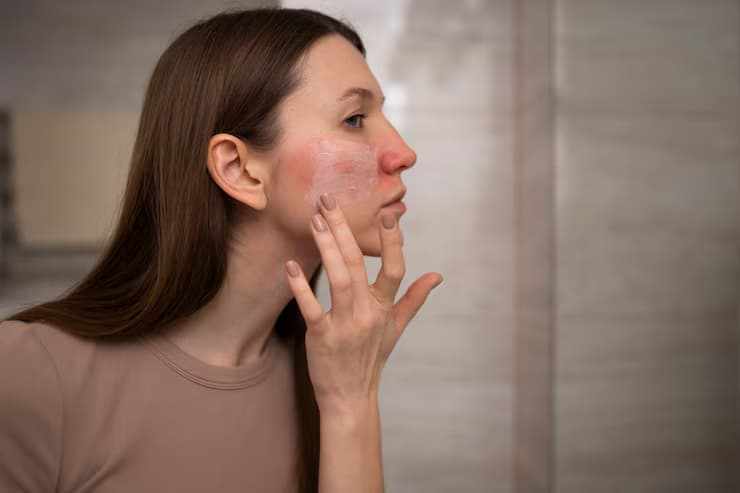
When selecting an acne removal cream, always check the ingredient list. Certain ingredients, such as alcohol, fragrances, and dyes, can irritate the skin. It’s crucial to avoid products that contain harsh ingredients, especially for sensitive skin.
Product Reviews
Customer reviews can provide valuable insights into how well a particular acne removal cream works. Look for products with positive feedback, especially those from people with a similar skin type and acne severity.
Top Acne Removal Creams That Actually Work
There are many acne creams available, but some stand out for their effectiveness. Below are some of the top picks for acne removal creams that truly deliver results.
Creams with Benzoyl Peroxide
Benzoyl peroxide is a well-known ingredient for treating acne. It works by killing bacteria on the skin, reducing acne-causing inflammation, and drying out pimples. When used consistently, benzoyl peroxide-based acne removal creams can significantly reduce breakouts.
These creams are especially effective for individuals with moderate to severe acne, as they target the root cause of many types of acne. However, it’s important to start with a lower concentration to avoid dryness or irritation.
Creams with Salicylic Acid
Salicylic acid is a gentle yet effective treatment for acne. This ingredient works by exfoliating the skin, removing excess oil, and unblocking pores. It's particularly useful for people with oily skin or clogged pores.
For individuals with mild acne, salicylic acid-based creams are often the first choice. They can reduce redness and breakouts without causing excessive dryness or peeling, making them a good option for those with sensitive skin.
Creams with Retinoids
Retinoids, such as adapalene, are derivatives of vitamin A. They work by promoting cell turnover, which helps to prevent pores from becoming clogged. Retinoids are also effective for reducing post-acne scars and discoloration, as they help to even out skin tone.
These creams are best for individuals with more severe or persistent acne. While retinoids are highly effective, they can initially cause dryness, peeling, and irritation, so it’s important to start slowly and use them as directed.
Creams with Natural Ingredients
For those who prefer to avoid synthetic ingredients, natural acne removal creams may be a good option. Many natural products contain ingredients such as tea tree oil, aloe vera, and witch hazel, which have anti-inflammatory and antibacterial properties.
While natural products can be gentler on the skin, it’s important to note that they may not work as quickly as products containing stronger active ingredients like benzoyl peroxide or salicylic acid. However, they are a good option for those with sensitive skin or mild acne.
How to Apply Acne Removal Creams
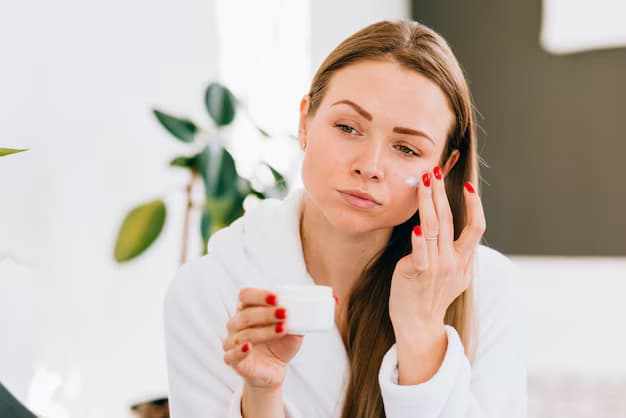
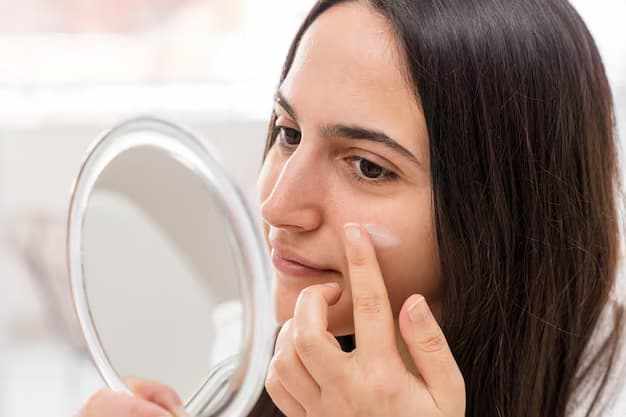
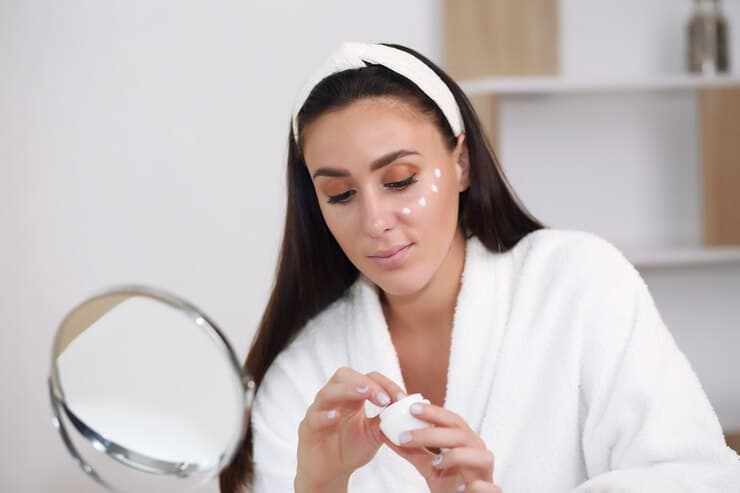
Application techniques are as important as the product itself. To get the best results, follow these tips:
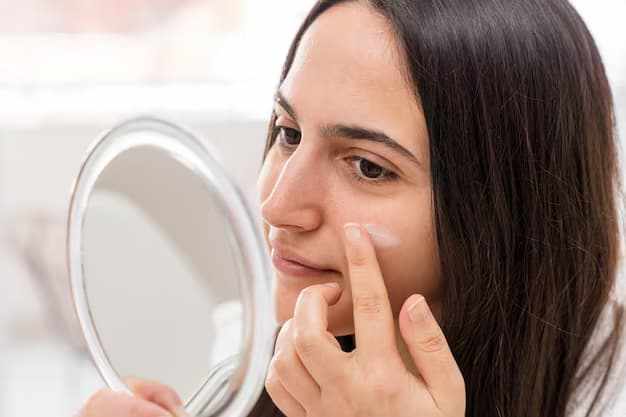
Start with a Clean Face: Always cleanse your face before applying any acne treatment. Use a gentle cleanser to remove dirt and excess oil.
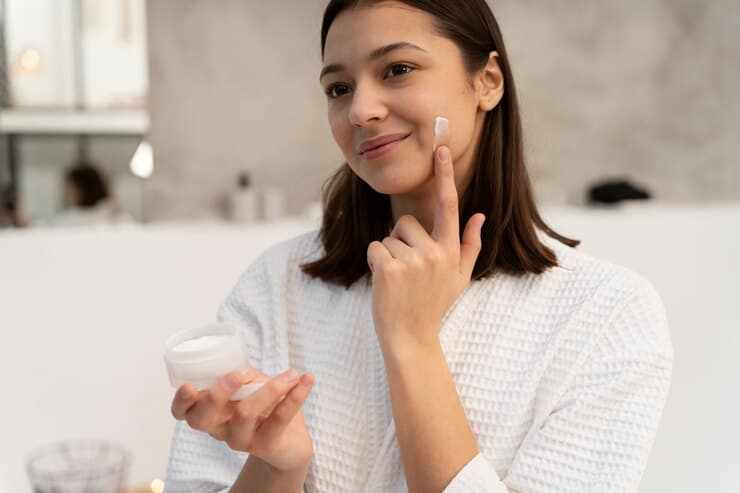
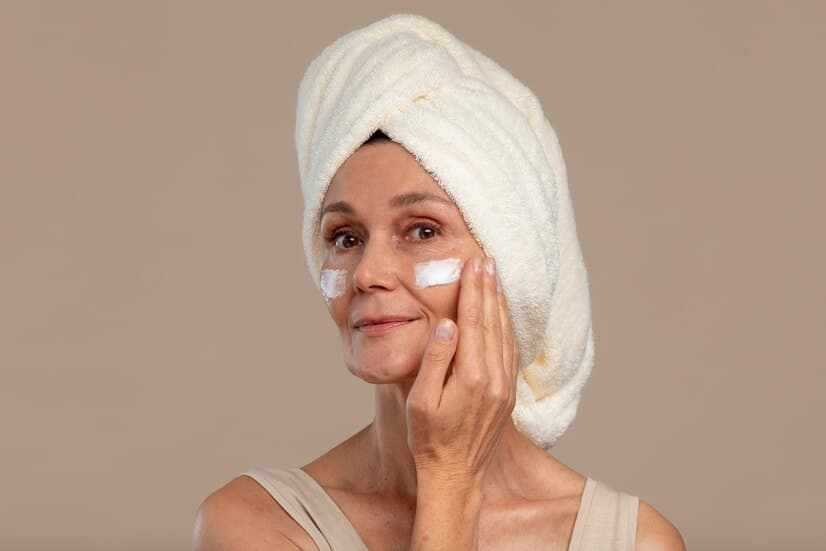
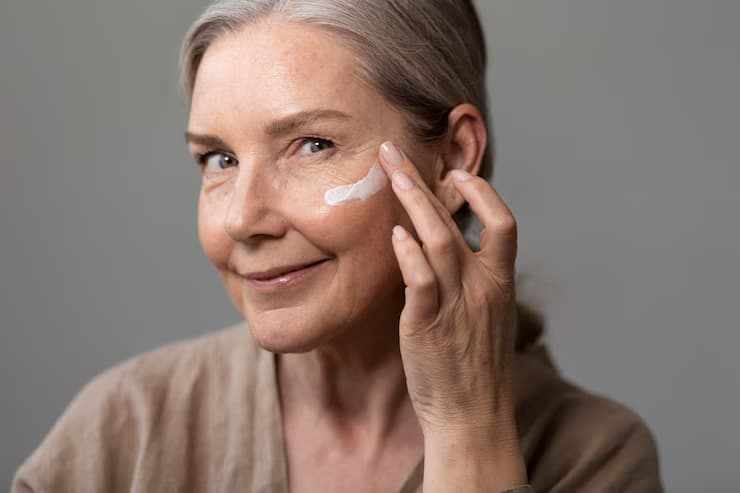
Apply the Cream Sparingly: Use a thin layer of the cream on the affected areas. Overusing acne cream can cause irritation and dryness.
Moisturize: After applying the acne cream, use a moisturizer to prevent your skin from becoming too dry. Choose a lightweight, non-comedogenic moisturizer that won’t clog pores.
The Importance of Consistency
For acne removal creams to be effective, consistency is key. Most creams take time to show results, often requiring several weeks of regular use. Be patient and follow the instructions for optimal results.
Additional Tips for Managing Acne
While using an acne removal cream is a vital part of acne treatment, there are other steps you can take to improve the overall health of your skin.
Maintain a Healthy Skincare Routine
In addition to using acne removal creams, maintain a simple and consistent skincare routine. This includes cleansing your face twice a day, exfoliating regularly, and using a moisturizer to keep your skin hydrated.
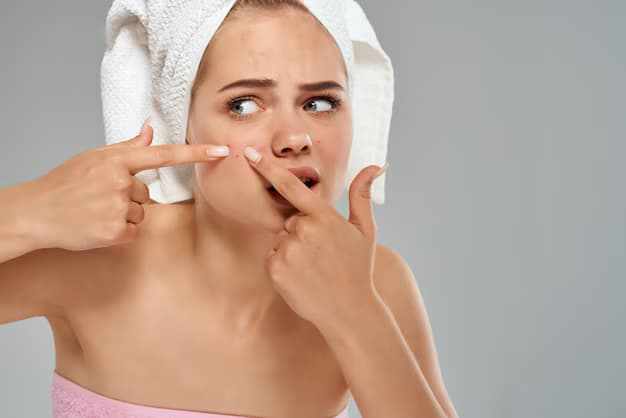
Avoid Picking at Acne
Picking at acne can lead to scarring and further irritation. It can also spread bacteria to other areas of the skin, making acne worse. Try to resist the urge to touch your face throughout the day.
Eat a Balanced Diet
While diet alone cannot cure acne, certain foods can support healthy skin. A diet rich in fruits, vegetables, and healthy fats can promote clear skin and reduce inflammation.
Manage Stress
Stress can trigger hormonal changes that may contribute to acne outbreaks. Practicing relaxation techniques such as yoga, meditation, or regular exercise can help keep stress levels under control.
Conclusion
Acne can be a frustrating condition to manage, but with the right acne removal cream, it is possible to see improvements. Whether you choose a cream with benzoyl peroxide, salicylic acid, or natural ingredients, consistency and patience are essential. Make sure to choose a product suited to your skin type and acne severity for the best results.
At MiQuest, we understand the challenges of finding the right skincare products. Our focus is on helping individuals achieve their best skin possible, with products and advice designed to make acne management easier.



Write a comment ...